18 slides · generated from portfolio data
Martin Heßmann
Designing for the Agentic Era.
Based in
Berlin
Focus
Design, systems, and AI
Current
Open Wonder · AN®
I lead design systems and UX across regulated platforms, civic services, and AI products. I own migrations, governance partnerships, and the delivery discipline that keeps systems working at scale. I stay close to the work, close to the code, and close to the people using it.
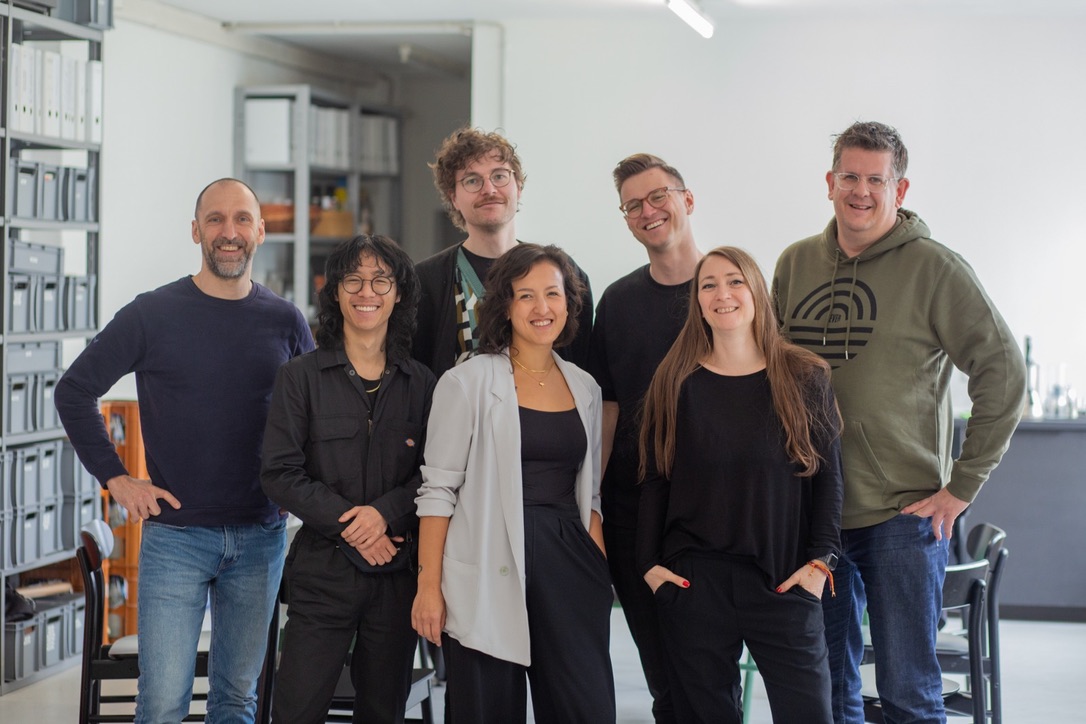
Background and experience.
How I learned there is no one solution.
My path has run through very different clients, teams, and stacks. None of them worked the same way, and I've stopped believing there's one approach that fits everything. What I appreciate most is learning each time — new tools, new constraints, custom solutions — and building in a way that makes teams stronger, not dependent on me.
Forward Deployment (AI Brand Systems)
2025–today
Open Wonder
I work across product discovery, model evaluation, workflow design, and production quality for an AI brand-asset platform. My role covers how brand and art-direction requirements are translated into generation logic, how output quality is evaluated, and how generation workflows are integrated into the tools creative teams already use. Forward deployment includes customer success: the job is only done when the generated assets (images, flyers, videos) meet the high standards of the people using them.
- Defined evaluation, feedback, and versioning structures so generated outputs can be reviewed, improved, and governed at production standard.
- Led integration of generation workflows into Figma and CMS environments, including plugin development, API scope design, and support for banner-campaign production.
Digital Design Manager
2023–today
AN®
I own delivery across a portfolio of clients with different stacks, stakeholders, and definitions of done. My role is to align design quality, accessibility, and technical standards with how each client operates, and to make design systems and design operations useful and sustainable rather than a burden.
- Established quality as a delivery discipline across the portfolio — CI/CD, automated testing, Sentry, Playwright, and release traceability.
- Accessibility audits, plugin development, and bringing UX standards to client leadership, internal stakeholders, and engineers who think in different terms.
Digital Art Director
2018–2023
Unit U+2463 GmbH
I led UX across a multi-brand portfolio with different technical and organizational constraints. My role combined research, prototyping, and system design to establish foundations that stayed reliable through relaunches, team changes, and new use cases.
- Established design-system foundations in Figma and token-based workflows to support consistent implementation across teams.
- Built trust with product and marketing stakeholders by translating UX decisions into KPI-relevant outcomes and clearer delivery priorities.
UX/UI Designer
2014–2018
Ape Unit GmbH
I owned the end-to-end design process for responsive web apps and campaign sites: research, information architecture, visual design, and prototypes. I worked closely with developers on handoff and production quality, and on keeping style guides and component patterns usable as platforms and use cases changed.
- Photoshop, Sketch, Zeplin, InVision — the full path from wireframe to developer handoff.
- Style guides and component patterns that evolved with each platform and use case, with alignment between the teams building them and the teams executing them.
UX & Design Systems Lead — Design, Engineering, AI
Design
UX Design, UI Design, Product Design, Design Systems, Design Tokens, B2B Platform Design, Interaction Design, Information Architecture, Figma, Prototyping, User Research, Usability Testing, Storybook
AI & Delivery
LLM Workflows, Prompt Engineering, Agentic Engineering, Evaluation & Feedback Systems, Design Ops, Design System Governance, Release Management, Observability Pipelines
Code & Ship
React, Next.js, Nuxt.js, TypeScript, HTML/CSS, Headless CMS, WordPress, TYPO3, Prismic, Kubernetes, Cloudflare Workers, CI/CD, GitOps, Sentry, Playwright
Stakeholder & Strategy
Product Strategy, Discovery Workshops, Stakeholder Management, Roadmapping, Regulated / Complex Domains, Content Strategy, Accessibility, Brand Governance
Selected organisations



Creative production with autonomous, agentic Agency.
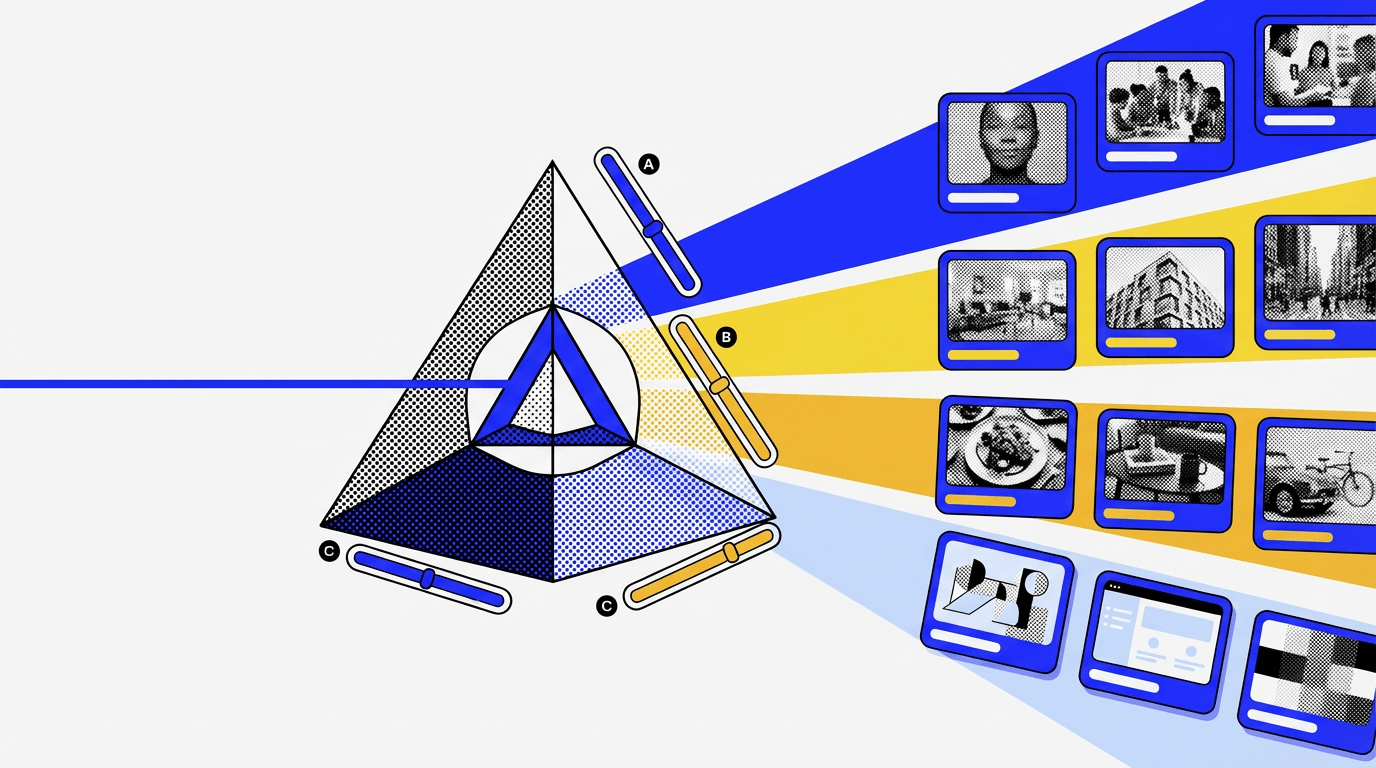
Open Wonder turns agency-style brand production into a product. LLM logic, generation models, brand rules, and creative direction have to align so outputs become usable, repeatable, and worth shipping for teams including Idealo, mobile.de, Hartmann, and Kneipp.
I designed the product and generation system: how brand logic, model behavior, creative direction, review flows, and integrations work together so outputs become operational instead of approximate.
Open Wonder
Creative production, translated into product logic.
Open Wonder exists because classic brand guides stop being enough once generative production becomes operational. The platform takes the kind of brand-production service an agency would normally interpret manually and turns it into a product system that can generate, critique, and steer assets for real teams. Idealo, mobile.de, Hartmann, and Kneipp prove the system had to work under real brand pressure.
Hartmann AURA
Internal AI workflows made governable.
AURA shows the governed side of the same product logic. Internal AI workflows had to stay reviewable, privacy-conscious, and deployable inside enterprise conditions. Data-flow diagrams, privacy checklists, reliable environment tagging, and build fixes were part of the product because trust in a brand-generation system depends on governance and operational clarity.
Overview
Governed internal AI workflow for brand-safe assets, reviewability, and enterprise rollout.
Kneipp Product Studio
Product-studio generation pushed into real campaign work.
Kneipp is the freshest proof that the system is moving closer to real production. In the new Product Studio Creative Placement Flow, the challenge was encoding brand-specific studio language, props, composition rules, colors, and concept space well enough that the result could feel like Kneipp — not a generic model output. I wrote prompt-enhancer templates with memory persistence using Codex: generations that evaluate their own results, iterate on prompts, and store adjustments so past decisions carry forward. Running on Gemini 2.0/2.1. Early tests moved ahead of traditional render and photo production for social use.
Overview
Newest creative-placement flow for product photography and illustration inside the Hartmann brand family.
Integrations and rollout
Integrations and rollout
The system also had to operate like product. A Sanity integration let editors generate Open Wonder assets from inside a real CMS surface without dealing with tokens or model orchestration. Next.js 15, Supabase, Prisma, Sentry, Vercel, and OpenTelemetry had to survive sharp binaries, lockfile issues, environment confusion, and privacy requirements. A generative brand system becomes strategically useful when teams can rely on it.
Union benefits, made accessible.
EVG, the Eisenbahn- und Verkehrsgewerkschaft, supports members through Wo-Mo-Fonds and Dein WoMo — digital services for housing, mobility, internet, and equipment benefits. The challenge was to make those regulated processes understandable without losing legal precision.
I turned policy, application logic, accessibility, and multilingual support into a member-facing service system EVG could run.
Client
EVG / Wo-Mo-Fonds
Role
Service Design
Accessibility
Regulated Flows
Application Logic
Public URLs
Wo-Mo-Fonds
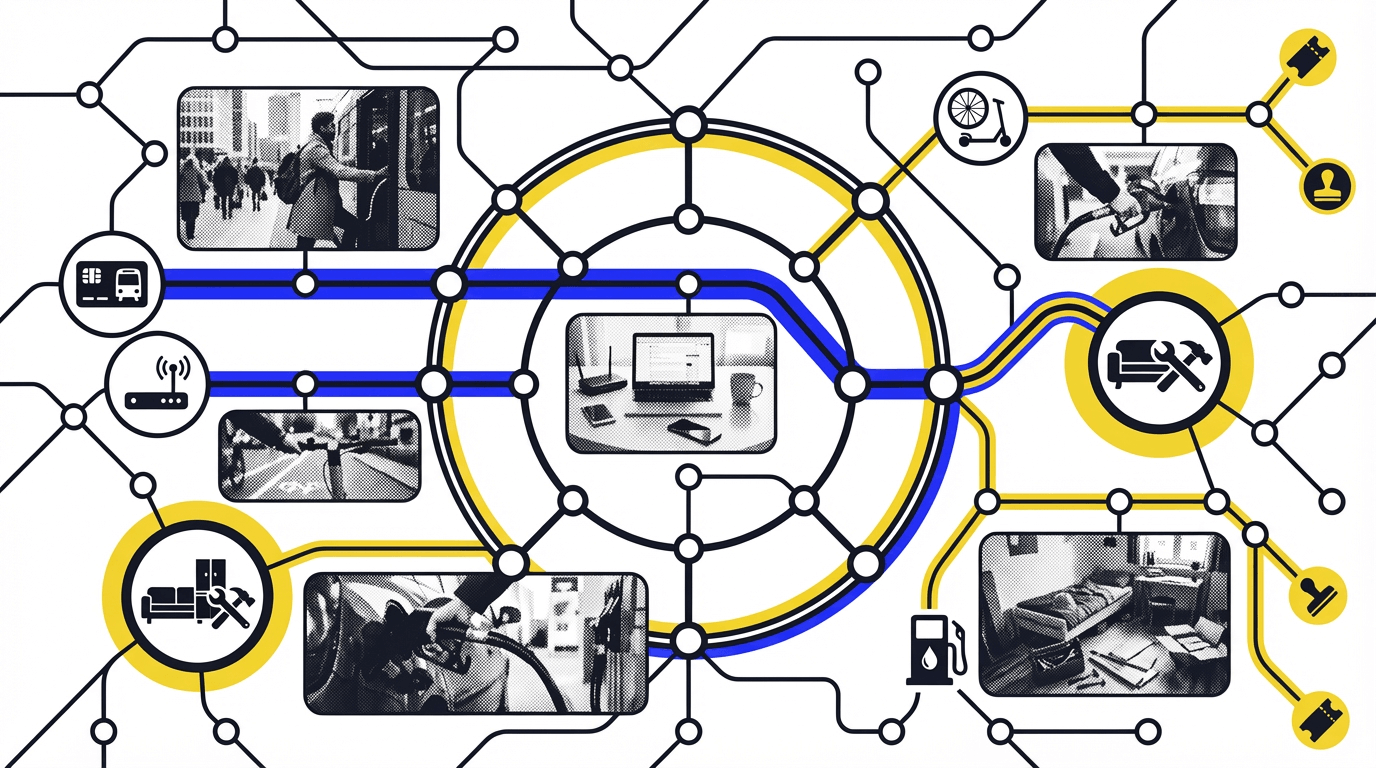
Housing and mobility support for EVG members
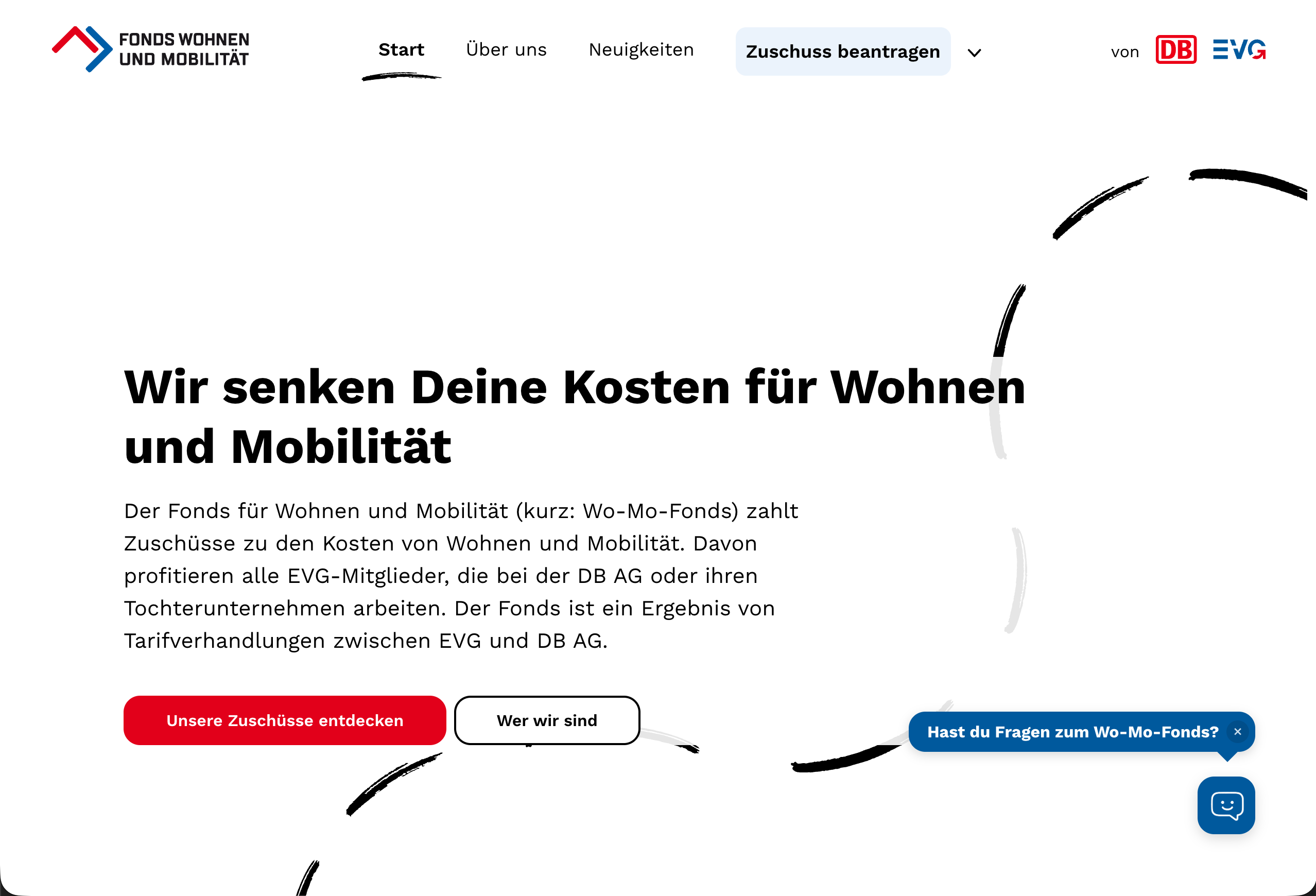
EVG is the Eisenbahn- und Verkehrsgewerkschaft. Wo-Mo-Fonds is its member benefit platform for housing and mobility support: commuting costs, job tickets, and related subsidies. The work was to make that regulated process understandable, then replace a brittle external status page with backend-driven progress updates in plain language: what already happened, what step is current, how long it can take, and when to contact the fund team.
URL
Dein WoMo
Internet and equipment vouchers for eligible members
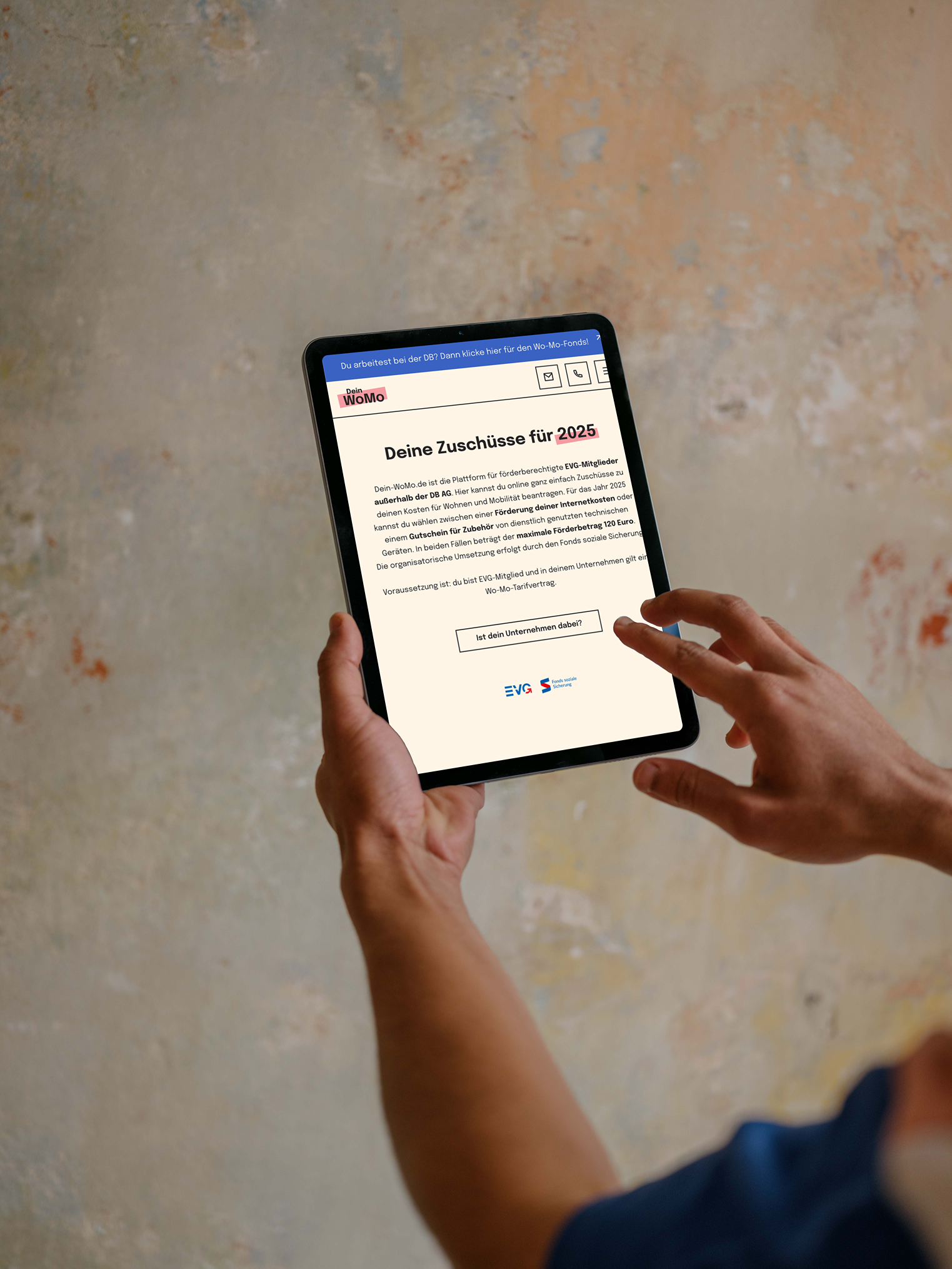
Dein WoMo is the internet and equipment voucher flow within the same service family. Here the hard part was conditional application logic: nested fields, uploads, legal help text, and error states that still had to stay accessible. I mapped FAQ content into inline guidance, tightened ARIA relationships, and kept branching validation readable instead of punitive.
URL
Wo-Mo-Fonds AI Chatbot
Multilingual guidance for benefits, deadlines, and applications
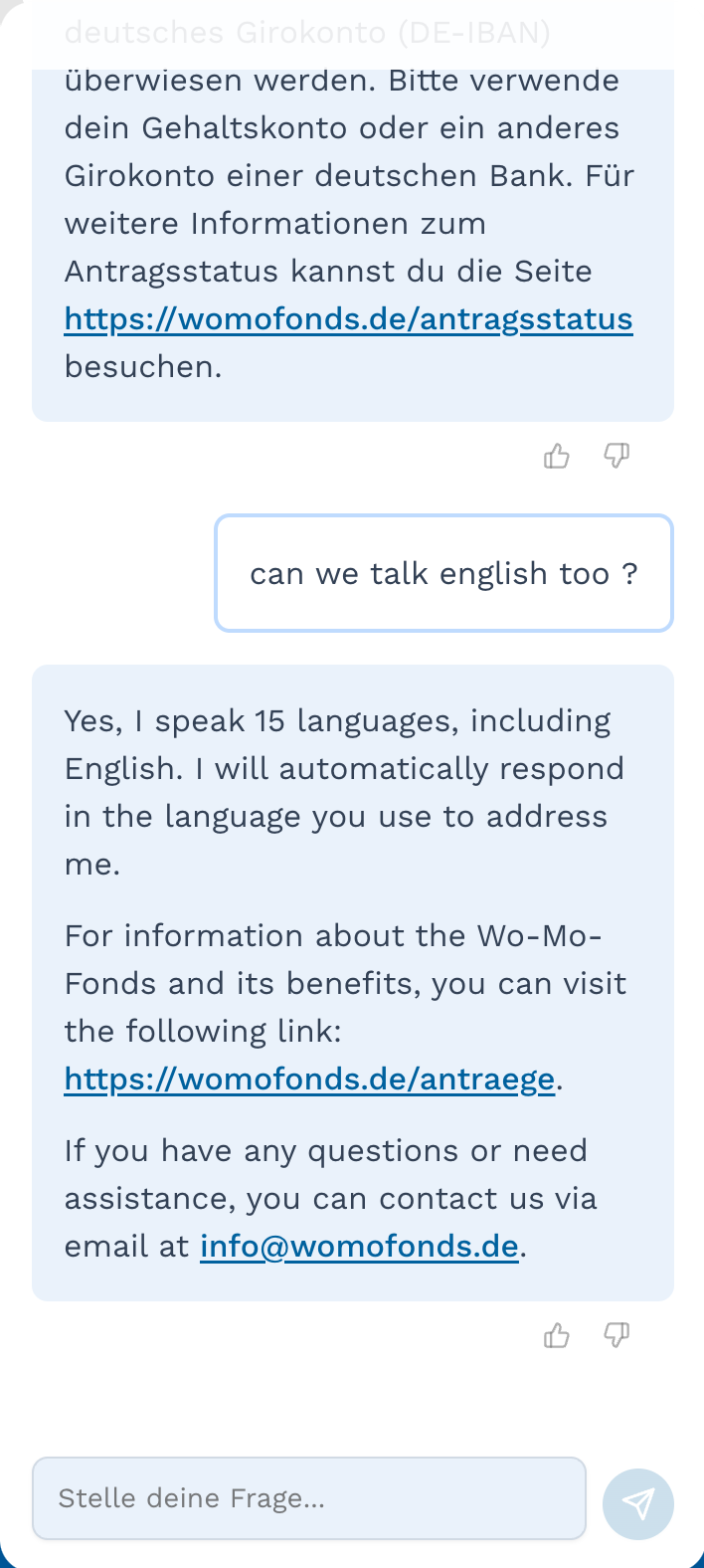
The AI assistant extends the same service into multilingual guidance. Built on Cohere, it helps with benefit questions, deadlines, and applications in up to fifteen languages, using grounded sources instead of guesswork. The goal was to make the benefit system easier to understand while keeping privacy and escalation boundaries clear.
URL
Systematic design patterns across platforms.
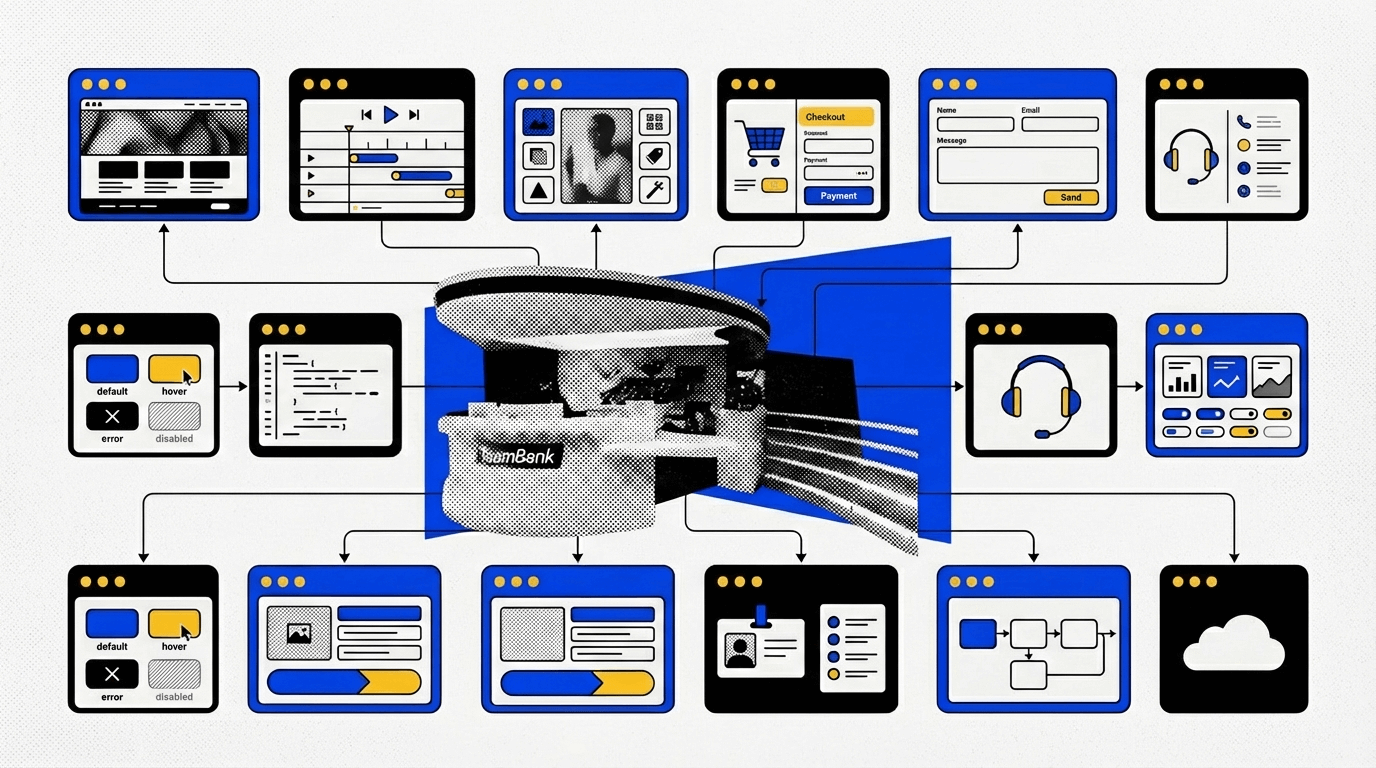
TeamBank, the maker of easyCredit, was operating across multiple platforms, teams, and agencies: corporate communication, partner tooling, brand operations, and merchant-facing services. I led UI/UX on the platforms I worked on and turned that fragmented landscape into a usable interface system, even though no commissioned global style guide existed for the platform layer.
I led UI/UX across the TeamBank platforms I worked on, translating brand inputs, search, content operations, and WordPress constraints into reusable interface patterns teams could use.
Client
TeamBank / easyCredit
Role
UX/UI Design
Platform Design
Design Systems
Design System Governance
Public URLs
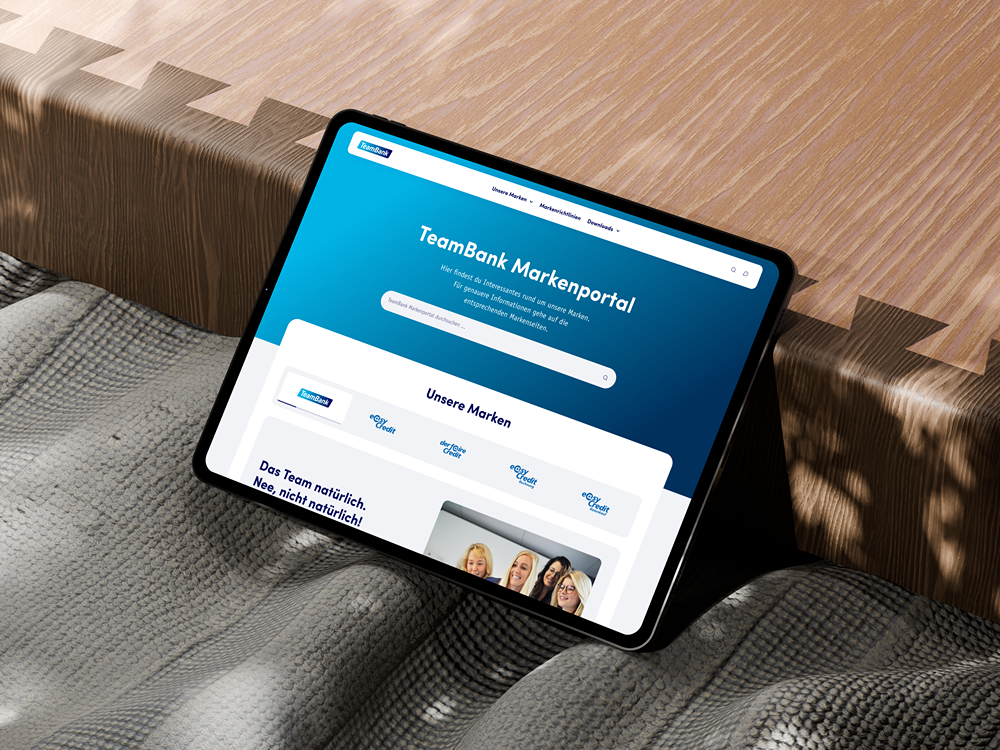
Markenportal
A brand portal people could work with.
The TeamBank Markenportal is the clearest expression of the problem I was solving. In a landscape of multiple portals and agencies, it had to turn brand governance into a usable working surface: searchable assets, understandable navigation, and downloads that felt like part of a system rather than a pile of files.
Overview
Internal brand and work-asset platform with search, downloads, and editor workflows for teams and partners.
Content manager workflows
Content manager workflows
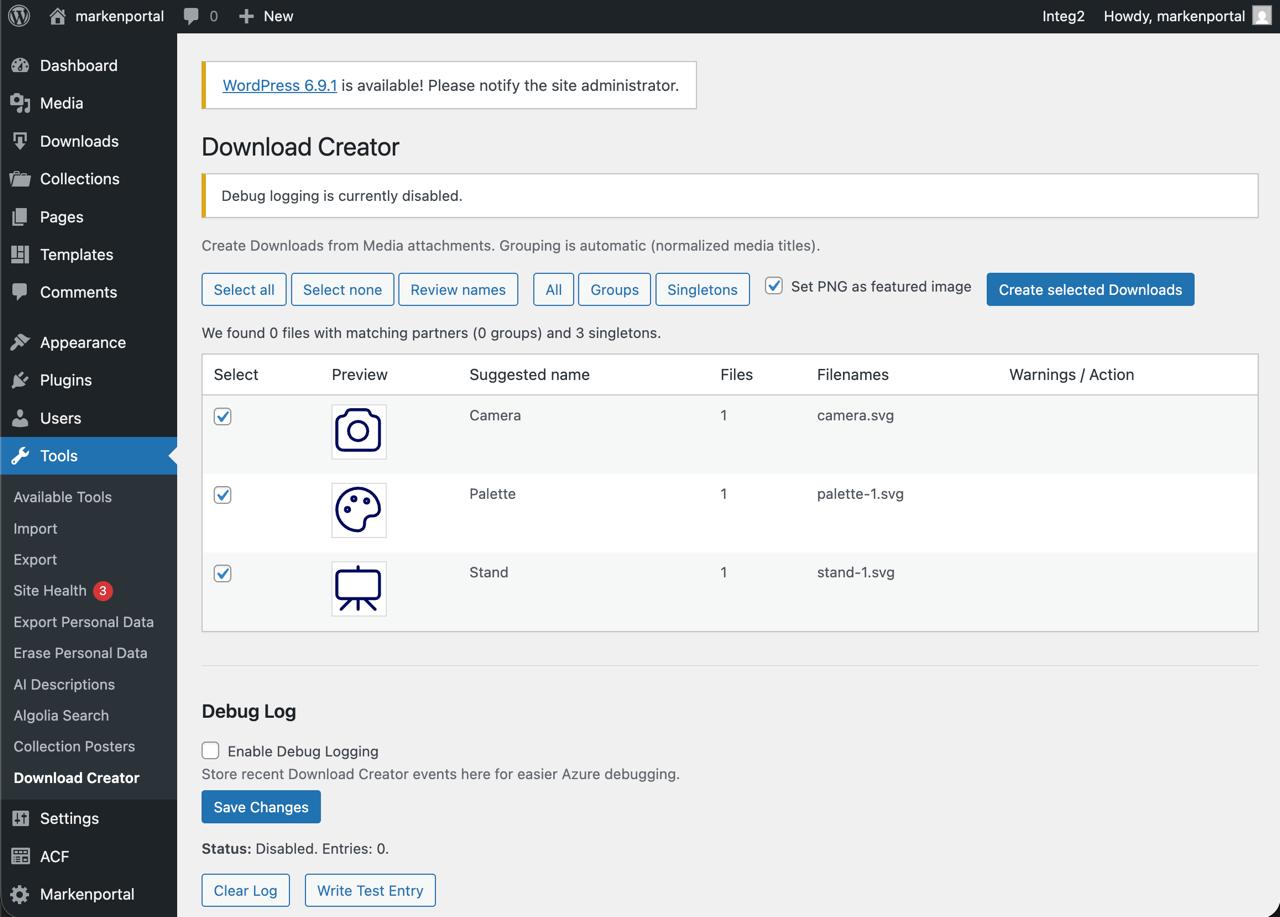
The editor tooling behind that portal mattered just as much as the interface. We kept the WordPress Media Library separate from a dedicated Download custom post type so not every upload became public-facing content. That created real operational complexity, so I helped shape micro-plugins that checked media against existing downloads, bulk-created missing entries, cleaned filenames, assigned previews, and regenerated collection thumbnails through PHP and ImageMagick when grouped assets changed.
Shared search and reuse
Shared search and reuse
Search and discoverability were treated as shared infrastructure. Algolia was embedded and versioned in a way that let the same logic travel between WordPress and PHP surfaces instead of being reinvented in each portal. File metadata, collection previews, and later even auto-generated descriptions via a user-provided OpenAI Vision setup all fed the same goal: make assets and pages easier to find, and make that behavior reusable across the wider TeamBank and easyCredit landscape.
teambank.de
Corporate UI that had to fit the system, not drift from it.
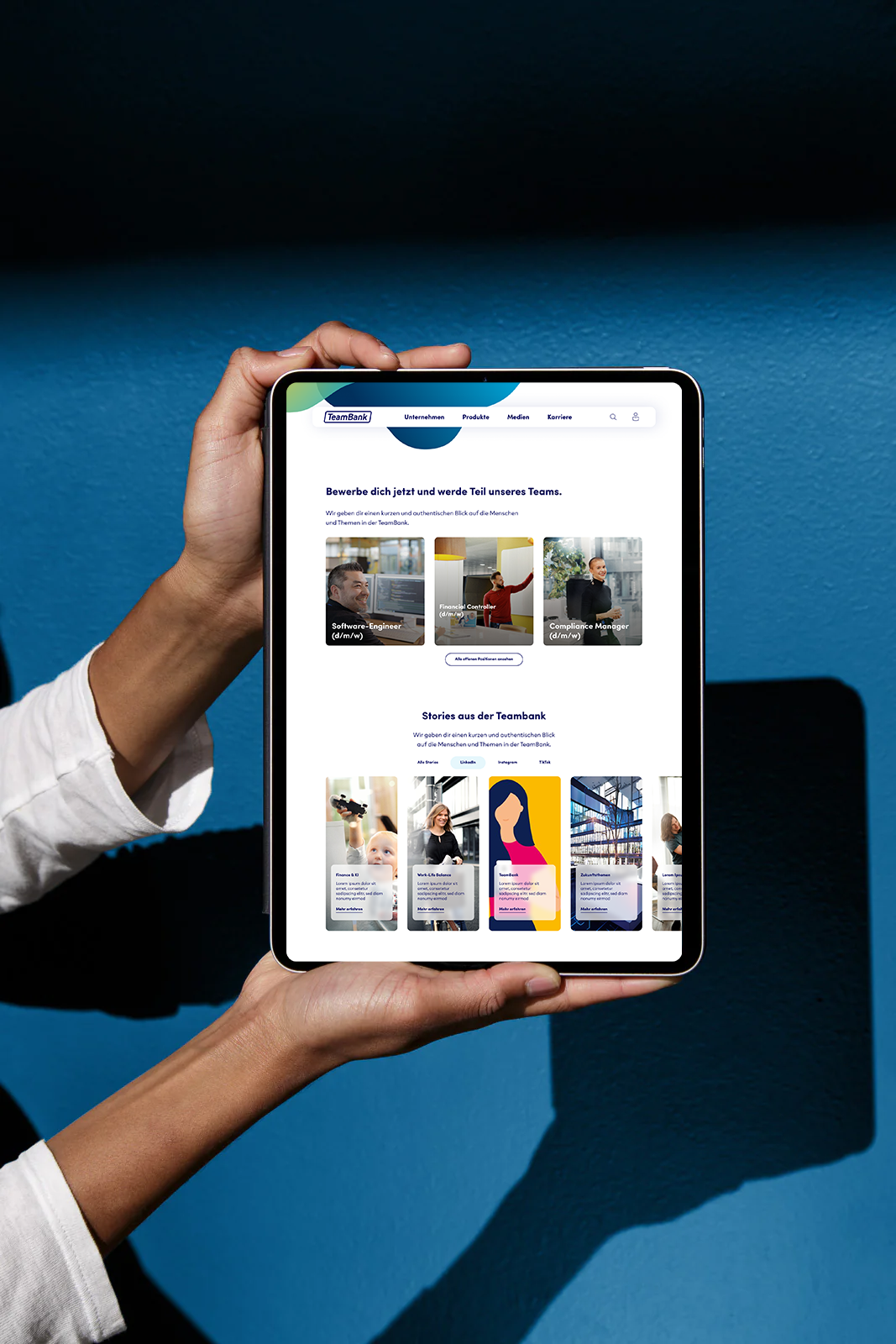
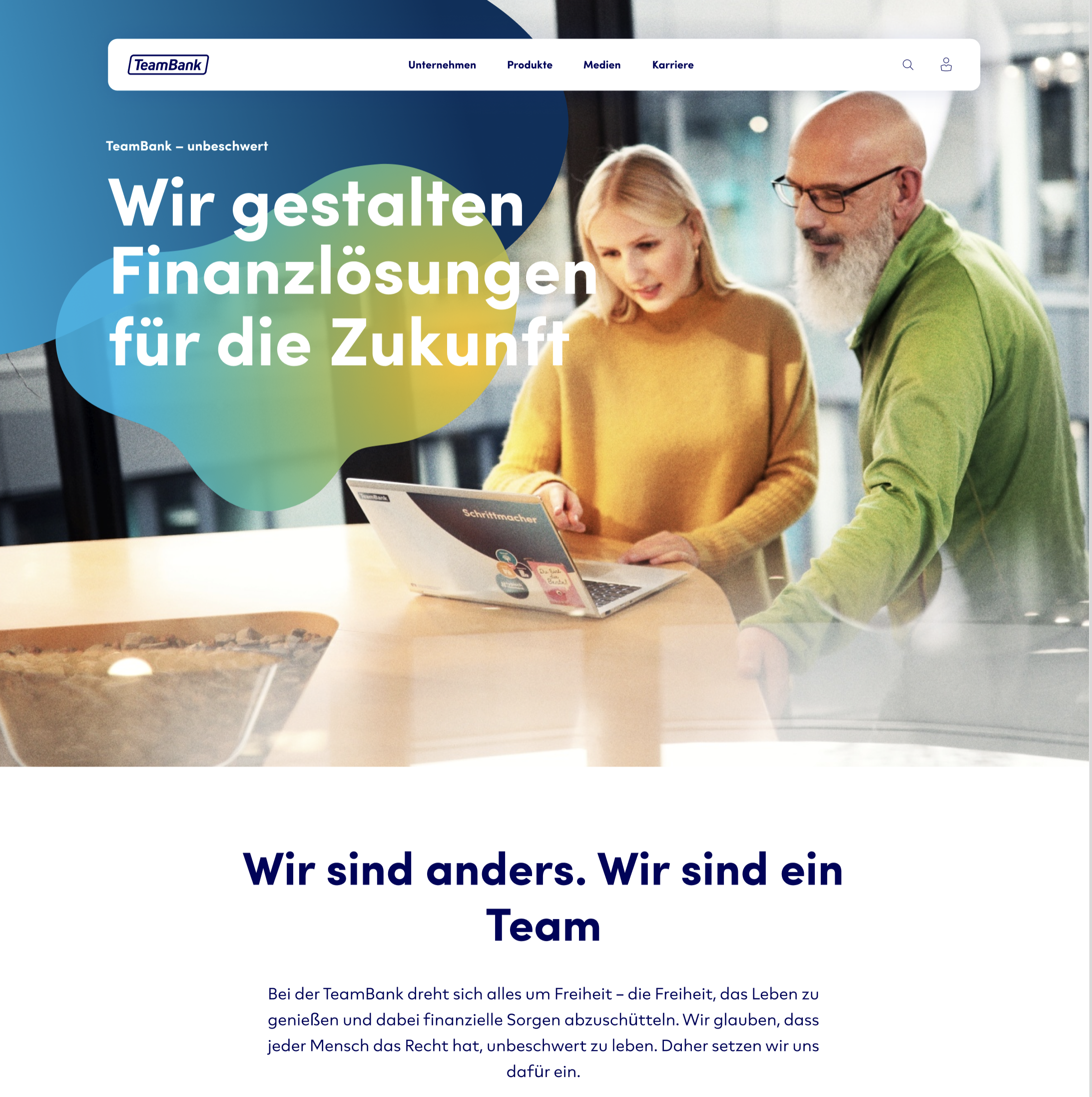
On teambank.de, the same UI logic had to hold under different constraints. Corporate communication, recruiting, and brand presentation still needed to feel connected to the wider system instead of drifting into their own interface language.
URL
If this kind of systems work would help your team, let’s talk.
I am most useful where design, systems thinking, and execution quality need to work together instead of drifting apart.
Website